

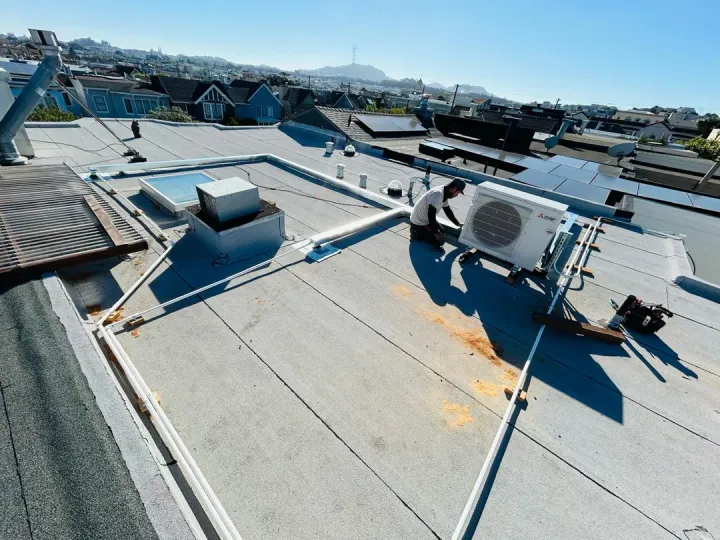
Plan for the rooms and the people in them.
A multi-zone property may have rooms with different schedules, exposures, and comfort demands. A VRF consultation looks at those needs before equipment is selected. The number of indoor zones alone does not explain how the building should be conditioned.
We discuss the existing system, available installation routes, controls, and service access. For an existing VRF or inverter-based system, model information and the reported operating issue help us determine an appropriate diagnostic or maintenance scope. Manufacturer compatibility is central to both new and existing projects.
Plan VRF work across all affected zones
- Commercial and multi-zone system consultation
- VRF and inverter-system service discussions
- Equipment, control, and installation coordination
Planning your service
Bring plans if they are available, along with occupancy patterns and any proposed changes in use. We can compare a multi-zone approach with other HVAC options and identify the questions that need resolving before a final design. For existing systems, provide the equipment list and service history rather than only the name of one indoor unit.
Tell us about your systemUnderstand how the building uses each zone
For a multi-zone property, list the indoor units involved and describe the hours and comfort needs of those spaces. Note whether the issue is isolated or affects several zones at once. Equipment schedules, controller messages, and prior service records help define the problem without treating every indoor unit as an independent system.
Keep design changes coordinated
An expansion, tenant improvement, or replacement component should be reviewed against the existing system configuration. Ask about equipment compatibility, control integration, service access, and the installation documentation needed. A project that looks small in one room may require a wider review of the connected equipment and its controls.
A VRF consultation starts with the occupied zones
For a Petaluma commercial property, begin a VRF consultation with the rooms, operating hours, and comfort complaints. Offices with different schedules or a mixture of public and staff areas need a control plan that reflects those uses. We can review the available equipment locations and routes before discussing a configuration.
Share whether the project is a new installation, an expansion, or service on an existing system. Manufacturer, model, zone count, and previous fault information are especially useful for repair planning. Inverter technology describes how equipment operates; a complete VRF proposal also needs compatible indoor units, controls, commissioning, and ongoing service access.
Ask about VRF HVAC Systems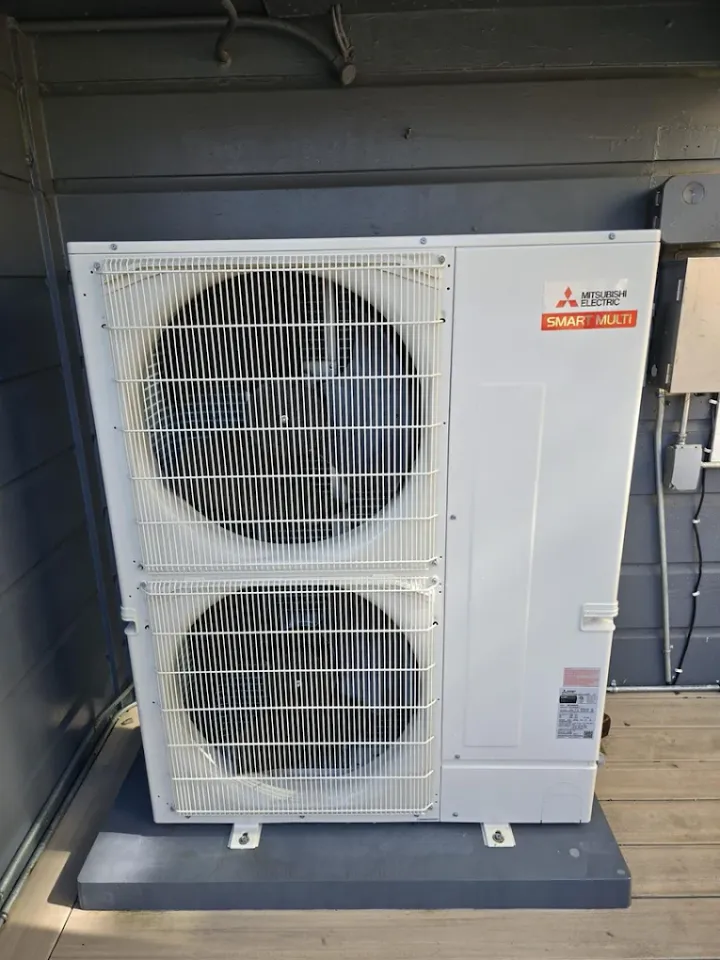
Your questions, answered.
Tell us the equipment type, the property address, and what you want to improve. We’ll help you choose the right starting point.
Is VRF the right choice for every commercial building?
No. Building layout, zone needs, equipment access, and project scope all matter. A consultation should explain the tradeoffs and compare suitable options rather than begin with a predetermined system type.
Where is this service available?
We are based in Petaluma and serve Sonoma County, the North Bay, Marin County, Napa County, and San Francisco. Call with your address and equipment details to discuss scheduling and the scope of your project.
Related services
Commercial HVAC Services
Heating and cooling support for business spaces, with attention to access, scheduling, and the people using the building.
Explore serviceDuctless Mini-Split Installation
Bring heating and cooling to the rooms that need it with thoughtfully placed ductless equipment.
Explore serviceHVAC Installation
Heating and cooling planned around your building, your daily routine, and the rooms that need attention.
Explore service
Need a repair?
Planning a new system?
Tell us what’s happening with your heating or cooling. We’ll help you understand the next step and put together a clear estimate.